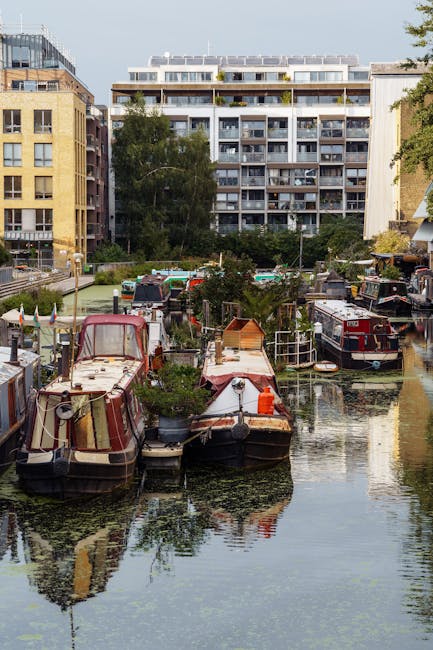
Garden maintenance for Deptford Creek riverside properties common problems
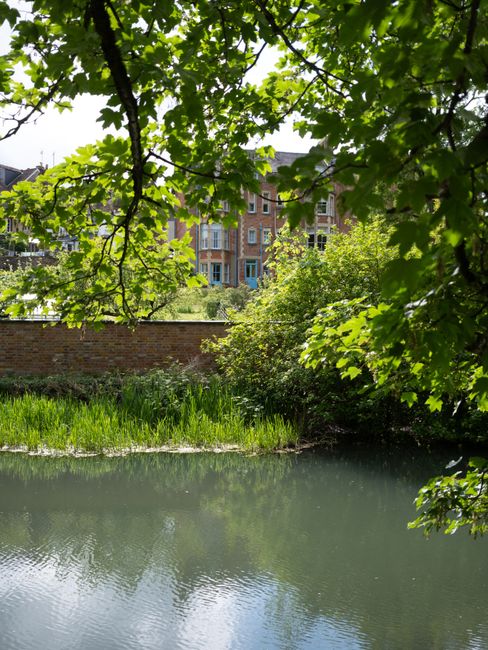
Riverside gardens around Deptford Creek can be beautiful, but they are not the easy, set-and-forget kind. If you live or manage a property near the water, you already know the routine: damp shade, patchy lawn growth, windblown litter, algae on hard surfaces, and plants that seem fine one week and sulky the next. Garden maintenance for Deptford Creek riverside properties common problems is really about keeping that balance between a healthy outdoor space and the slightly punishing conditions that come with being close to the creek.
This guide looks at the issues that show up again and again, why they happen, and what sensible maintenance actually looks like in practice. You will also find a step-by-step approach, a checklist, a comparison table, and a realistic example based on the sort of garden you might find along this stretch of London. Nothing glamorous. Just useful, grounded advice that helps you stay ahead of the mess rather than chasing it all summer.
- Why riverside garden maintenance matters
- How maintenance works in creekside conditions
- Benefits and practical advantages
- Who needs this and when
- Step-by-step guidance
- Expert tips for better results
- Common mistakes to avoid
- Tools, resources and recommendations
- Law, compliance and best practice
- Options and comparison table
- Real-world example
- Practical checklist
- Conclusion
- Frequently asked questions
Why Garden maintenance for Deptford Creek riverside properties common problems Matters
Riverside gardens age differently. That is the short version. Creekside air holds more moisture, winds can be stronger and more irregular, and surfaces stay wet longer after rain. Add in shade from neighbouring buildings or boundary trees, and you get a very particular set of garden maintenance problems: moss on paving, slow-draining borders, tired turf, fungal issues, and plants that either flop or race away with growth.
For Deptford Creek properties, this matters for more than looks. Poor maintenance can lead to slippery paths, blocked drainage, overgrown access routes, and expensive repairs if timber, decking, or planting beds are left to deteriorate. It can also affect how a property feels day to day. A garden that smells stale, looks scruffy, or sits permanently boggy is not just unattractive; it changes how you use the space.
There is also the practical side. Many riverside gardens have tight access, narrow side passages, shared boundaries, or raised planting areas. So if maintenance is delayed, the job gets harder fast. One missed month can turn into a small jungle. Truth be told, that happens more often than people expect.
If you want a broader sense of how a structured service works across different property types, the garden maintenance service and the wider services overview are useful starting points.
How Garden maintenance for Deptford Creek riverside properties common problems Works
Good riverside garden maintenance starts with observation, not tools. You look at where water sits after rain, where wind funnels through, which areas stay shaded, and where organic debris collects. Along the creek, those patterns matter more than people often realise.
In practical terms, the work usually falls into five areas:
- Surface management - clearing leaves, silt, algae, and litter before they rot down or become slippery.
- Plant health - trimming, thinning, feeding, and replacing plants that are not coping with the site conditions.
- Soil and drainage care - improving compacted or waterlogged beds so roots can breathe.
- Access and safety - keeping paths, steps, fences, and borders clear and usable.
- Seasonal control - adjusting the maintenance pattern through wet months, windy periods, and dry spells.
The real challenge is that riverside gardens rarely respond well to one-off tidying. They need ongoing attention. A border that looks tidy in March can become battered by May if the wrong plants are left in the wrong place. A lawn that seems passable in early spring may struggle after a few weeks of shade and foot traffic. You get the idea.
For gardens with larger structural issues, maintenance sometimes overlaps with larger improvements. In those cases, landscaping support or landscape gardening may make more sense than repeated patch repairs.
Key Benefits and Practical Advantages
The biggest benefit is simple: a garden that is easier to live with. But there are several knock-on effects worth paying attention to.
- Less damp-related damage - regular clearing and pruning helps surfaces dry out faster, which slows moss and algae growth.
- Better drainage behaviour - when borders are kept open and free from debris, water has somewhere to go instead of sitting in a puddle by the patio.
- Safer movement - a clean path and trimmed planting reduce trip hazards, especially after rain.
- Healthier planting - plants that suit the site can handle creekside conditions more reliably.
- Lower long-term costs - small, frequent jobs are usually cheaper than rescue work after months of neglect.
- Improved property presentation - if you are renting, selling, or hosting guests, first impressions matter more than people admit.
There is a quieter benefit too. A maintained riverside garden tends to feel calmer. Less clutter, fewer dead stems, cleaner edges. You notice the space rather than the problems. And that is usually the point.
Practical takeaway: on creekside properties, maintenance is less about perfect lawns and more about keeping moisture, growth, and access in steady balance.
If sustainability matters to you, it can also help to explore a provider's approach to waste reduction and reuse. The recycling and sustainability page is worth a look for that kind of mindset.
Who This Is For and When It Makes Sense
This topic is relevant to homeowners, landlords, block managers, and anyone responsible for an outdoor space near Deptford Creek. It is especially useful if your garden regularly shows signs of damp, if plants never seem to settle, or if you are finding that normal upkeep is turning into repeated reactive repairs.
You will probably need this kind of maintenance if:
- your lawn is thin, muddy, or patchy for most of the year;
- paths, decking, or steps become slippery after rain;
- shrubs grow fast but look weak or stringy;
- debris collects against fences, sheds, or retaining edges;
- you have limited access and the garden is hard to work in;
- you have just inherited a garden that has been left too long;
- you want the space to look cared for without constant weekend battles.
It also makes sense if you are planning a bigger refresh but need the site under control first. A garden clearance can be the right first step before any redesign or planting work. In those cases, it is worth considering garden clearance before jumping straight into fine-detail maintenance.
Some properties near the creek have decking or mixed surfaces, which adds another layer. If timber is starting to darken, stain, or hold moisture, then specific decking services may be needed alongside routine garden care.
Step-by-Step Guidance
Here is a practical, no-nonsense approach that works well for riverside gardens. Not every property needs every step every time, but this is a strong baseline.
1. Start with a site walk
Walk the garden after rainfall if possible. Look for standing water, clogged corners, soft ground, algae patches, and places where wind deposits leaves or litter. A damp corner in January can become a bog in February. You will notice it quickly if you look for it.
2. Clear loose debris first
Remove leaves, twigs, broken stems, and any windblown waste. This sounds basic, but it makes everything else easier. Debris traps moisture, hides pests, and blocks light from reaching lawns and borders. It also gives the whole space that slightly neglected smell, which nobody wants.
3. Cut back weak or overcrowded growth
Prune shrubs and perennials that are crowding paths, shading out smaller plants, or holding damp against walls and fences. If a hedge is creating a wind tunnel or spilling into access routes, trimming it back helps more than people expect. For regular control, hedge trimming is often one of the most important recurring tasks.
4. Address drainage and soil structure
If water sits on the surface, look at whether the soil is compacted, whether beds need loosening, or whether organic matter is improving things too slowly. Sometimes the fix is as straightforward as aerating and top-dressing. Sometimes it needs more substantial regrading or landscaping. Be honest about which one it is.
5. Tidy hard landscaping and timber elements
Clean paving, inspect joints, brush down decking, and check for early signs of rot or algae. Riverside gardens often have more wear on hard surfaces than inland gardens because surfaces stay wetter for longer. A simple cleaning routine can stop small issues becoming slippery ones.
6. Reset the lawn and borders
Use sensible mowing, edging, and selective replanting rather than trying to force a perfect golf-course finish. In shaded, moist conditions, the lawn may need lighter expectations. A cleaner edge and healthier strip of grass usually looks better than a stressed, over-cut lawn. If mowing is part of the problem area, a dedicated lawn mowing routine can help keep growth even without scalping it.
7. Build a maintenance rhythm
Finally, set a repeating schedule. For many creekside gardens, fortnightly or monthly attention works far better than waiting for the whole place to become unmanageable. Slightly boring? Maybe. Effective? Absolutely.
Expert Tips for Better Results
Small adjustments make a surprisingly big difference in this kind of setting. Here are the ones that matter most.
- Choose plants that tolerate damp and wind rather than forcing delicate species to perform in the wrong spot. That battle usually ends the same way.
- Keep air moving around planting and boundary lines. Dense, stagnant pockets are where mildew and rot tend to start.
- Do not overfeed the lawn if it already struggles in shade. Too much encouragement can create soft growth that fails quickly.
- Raise pots and planters slightly so water can drain freely instead of soaking into the base.
- Inspect after storms. One gusty evening can move more debris than a whole week of normal weather.
- Use lighter, more regular pruning instead of dramatic cutbacks. Coastal and riverside conditions often reward restraint.
A small personal note: the gardens that stay in the best shape are rarely the ones with the fanciest planting scheme. They are the ones with a habit. A bit of clearing here, a bit of edging there, and a proper look after a wet week. That kind of consistency wins.
If the site has become heavily overgrown, it can help to combine maintenance with a full reset. A one-off visit from a garden clearance team can make the routine work much more manageable afterwards.
Common Mistakes to Avoid
Most problems in riverside gardens come from misunderstanding the conditions, not from neglect alone. Here are the usual mistakes.
- Using the same plan as a dry, inland garden - Deptford Creek properties need a different approach because moisture lingers longer.
- Leaving debris in corners - leaf piles against fences or in planting beds create damp pockets and pest hideouts.
- Cutting too hard - over-pruned shrubs can look exposed and then struggle in wind or sudden cold.
- Ignoring drainage warning signs - if you keep seeing puddles, there is a reason. It will not fix itself.
- Overcrowding plants - it may look lush at first, but airflow matters more than people think.
- Delaying hard-surface cleaning - algae grows quietly, then suddenly turns into a slip hazard. Annoying, but common.
One other mistake is treating maintenance as a cosmetic job only. It is not. On a riverside plot, maintenance is also about keeping the site safe, dry enough, and structurally sound. That shift in mindset changes everything.
Tools, Resources and Recommendations
You do not need a shed full of specialist kit, but the right basics help. For a typical creekside property, these are the practical essentials:
| Tool or resource | Best use | Why it helps on riverside sites |
|---|---|---|
| Leaf rake or blower | Clearing debris from borders, paths, and drains | Stops damp build-up and surface blockage |
| Sharp secateurs and loppers | Pruning shrubs and removing dead growth | Helps with airflow and plant health |
| Stiff brush | Cleaning paving and decking edges | Reduces algae and slippery film |
| Garden fork or aerator | Loosening compacted soil | Improves drainage and root movement |
| Wheelbarrow or heavy-duty bags | Moving waste quickly | Makes clearance less chaotic, especially on tight access sites |
| Regular maintenance plan | Scheduling repeat visits | Prevents the garden from slipping back into damage mode |
For properties with difficult access or larger vegetation, professional support can save a lot of stress. A provider offering tree lopping and removal may be useful if trees are blocking light, shedding heavily, or undermining the garden's balance. That said, tree work should always be handled carefully and only when necessary.
If you are comparing services or planning a budget, pricing and quotes can help set expectations before you commit. And if you want to understand the company background before booking, about us is the place to start.
Law, Compliance, Standards, or Best Practice
For most home gardens, the main legal and compliance concerns are straightforward: work safely, avoid causing nuisance, and make sure any tree or boundary work is properly considered before cutting. If you are in a managed development or leasehold property, you may also need approval before changing shared outdoor areas. The details vary, so it is wise to check the property's rules rather than assume.
Best practice in this setting usually means:
- working in a way that reduces slip and trip risks;
- storing and moving waste responsibly;
- being careful with ladders, cutting tools, and electrical equipment;
- protecting neighbouring boundaries and access routes;
- choosing plant and maintenance methods suited to the site, not just the look you want.
Professional providers should also have sensible insurance and safety arrangements in place. If you are evaluating a contractor, it is fair to ask how they manage risk and working practices. The insurance and safety and health and safety policy pages are useful trust signals if you are reviewing a business before hiring them.
One more thing: if waste disposal is part of the job, ask how green waste and mixed waste are handled. You do not need a lecture on the environment, just a clear answer. That is enough.
Options, Methods, or Comparison Table
There is no single right approach for every Deptford Creek property. The right choice depends on access, garden size, how wet the site is, and whether you need simple maintenance or a more substantial reset. Here is a practical comparison.
| Approach | Best for | Advantages | Limitations |
|---|---|---|---|
| Light ongoing maintenance | Well-kept gardens with occasional moss, leaf fall, and growth control issues | Affordable, easy to keep up with, low disruption | May not be enough for badly neglected or waterlogged sites |
| Seasonal heavy maintenance | Gardens that need periodic catch-up work | Good for clearing, pruning, and resetting problem areas | Problems can return if follow-up is inconsistent |
| Maintenance plus landscaping | Sites with drainage, layout, or structural issues | Addresses root causes, not just symptoms | More involved, usually more expensive, and takes planning |
| Clearance then maintenance | Overgrown or inherited gardens | Creates a clean starting point and reduces overwhelm | Can be too much if the garden only needs routine care |
For many riverside properties, the sweet spot is a mix: initial tidy-up, some targeted improvements, then steady maintenance. It is a bit unglamorous, but it works.
Case Study or Real-World Example
Imagine a first-floor garden and small ground-level courtyard near Deptford Creek. The space has a narrow path, a shaded lawn strip, two tired shrubs, and a timber deck that holds moisture after rain. In spring, it looks fine from a distance. Up close, there are patches of moss at the path edges, dead leaves tucked behind planters, and one corner that never quite dries out.
The first visit focuses on clearing, trimming, and checking what is actually causing the problems. The shrubs are cut back slightly to improve airflow. The deck is cleaned and inspected. The lawn is mown more gently than usual because the grass is already stressed by shade. Soil in the damp corner is loosened, and the planting is thinned so water can move through the bed rather than sit there.
Three weeks later, the garden does not look transformed in a dramatic before-and-after sense. But it feels better. It smells fresher after rain. The path is easier to walk on. The deck is less slick. The lawn is still not perfect, but it is recovering instead of declining. That is the real win. Small, practical, noticeable.
If a space like this had been left for another season, the correction would have been harder and more expensive. That is usually how these things go.
Practical Checklist
Use this checklist to keep a riverside garden under control through the year:
- Check for standing water after rain
- Remove leaves and debris from corners, drains, and borders
- Brush algae from paths and decking before it becomes slippery
- Trim back shrubs that block airflow or access
- Inspect fences, edging, and timber for moisture damage
- Mow lawns lightly and avoid scalping shaded grass
- Thin overcrowded planting to reduce damp pockets
- Look for compacted soil and improve it where needed
- Schedule repeat maintenance before the garden becomes overgrown
- Review whether any bigger landscaping changes would solve recurring issues
Quick sanity check: if the same problem keeps coming back every month, it is probably not a cleaning issue. It is a site-condition issue.
Conclusion
Garden maintenance for Deptford Creek riverside properties common problems is really about learning how the site behaves and working with it, not against it. Moisture, wind, shade, access, and debris all shape the garden's day-to-day reality. Once you understand that, the solutions become more obvious: regular clearing, careful pruning, better drainage habits, and a maintenance rhythm that matches the property rather than a generic schedule.
Whether you are looking after a compact courtyard, a planted terrace, or a larger garden near the creek, the goal is the same: keep it safe, usable, and quietly well cared for. Not perfect. Just healthy, tidy, and honest about what the site can support.
When a garden starts feeling easier to live with, everything else about the space improves too. And that is a good place to get to.
Get a free quote today and see how much you can save.
Frequently Asked Questions
What are the most common garden problems for Deptford Creek riverside properties?
The most common issues are damp soil, moss and algae on hard surfaces, windblown debris, patchy lawns, overcrowded planting, and slower drying after rain. These problems tend to show up together rather than in isolation.
Why do riverside gardens get moss and algae so quickly?
Because they stay wet for longer. Shade, reduced airflow, and persistent moisture create ideal conditions for moss and algae, especially on paving, timber, and north-facing areas.
How often should I maintain a garden near Deptford Creek?
That depends on size and exposure, but many riverside gardens benefit from fortnightly or monthly attention. Waiting until everything looks bad usually makes the job harder than it needs to be.
Is lawn care harder in creekside gardens?
Yes, often. Shade, dampness, and compacted soil can make lawns thin or patchy. A gentler mowing routine and better soil management usually help more than aggressive feeding or cutting.
What should I do if water keeps pooling in one corner of the garden?
That usually points to a drainage or soil structure problem. Clearing debris helps, but if the issue keeps returning you may need soil improvement, regrading, or a landscaping adjustment.
Can overgrown shrubs make a damp garden worse?
They can. Dense growth blocks airflow, traps moisture, and keeps surfaces wetter for longer. Careful pruning often improves both plant health and general drying conditions.
Do I need professional help for riverside garden maintenance?
Not always, but professional help makes sense if access is awkward, the garden is badly overgrown, timber is deteriorating, or recurring problems are getting beyond routine upkeep.
What is the difference between garden clearance and regular maintenance?
Garden clearance deals with the initial heavy tidy-up: waste removal, overgrowth, and reset work. Regular maintenance is the ongoing care that keeps the garden from slipping back into the same state.
Are decking and timber features at higher risk near the creek?
Usually yes, because moisture lingers longer. That does not mean timber is a bad choice, but it does mean cleaning, inspection, and timely upkeep matter a lot more.
What are the biggest mistakes people make with riverside gardens?
The biggest mistakes are cutting too hard, ignoring drainage, leaving debris in corners, and treating a wet, shaded site like a dry suburban garden. Different conditions need different habits. Simple as that.
How can I tell whether maintenance is enough or if I need landscaping?
If the same issues keep returning despite regular care, the problem may be structural rather than cosmetic. Poor levels, weak drainage, awkward layout, or unsuitable planting are all signs that landscaping may be the better answer.
Where should I start if my garden has got out of control?
Start with a clear-out: remove debris, cut back the worst growth, and assess the wettest and shadiest areas. Once the site is visible again, it becomes much easier to decide what needs routine care and what needs a bigger intervention.