
Health & Safety Policy for Garden Maintenance Deptford
Our Garden Maintenance Deptford policy sets out clear, practical standards to protect clients, staff and the public when providing gardening and groundskeeping services. This document applies to all routine and specialised tasks carried out by our team across the service area and is designed to be simple, implementable and regularly reviewed. The policy emphasises proactive risk management, competent supervision and the promotion of a safety culture that values continual improvement.Purpose and scope: This policy covers the full range of garden and landscape maintenance activities including mowing, pruning, planting, hedge and shrub care, hard-surface cleaning, waste handling and light landscaping. It clarifies roles and responsibilities, risk assessment procedures, training requirements and controls for plant, equipment and substances. The aim is to ensure that every job is completed without harm to people or property while maintaining high horticultural standards.
Responsibilities and accountability
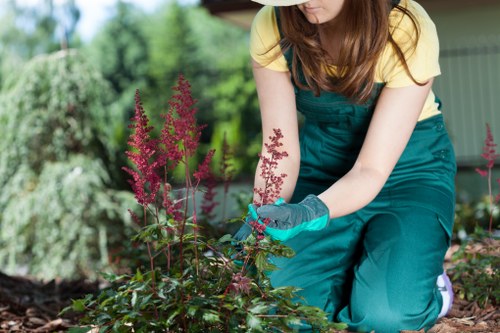
Managers and team leaders must ensure that safe systems of work are in place and that workers understand them. Each operative is required to follow established procedures, wear appropriate personal protective equipment (PPE) and report hazards promptly. Regular toolbox talks and briefings form part of routine communication. Strong emphasis is placed on clear reporting lines so that safety concerns are escalated and addressed without delay. Everyone has a part to play in keeping sites safe.Risk assessment and safe systems
Before work begins, a written or documented risk assessment is completed for the task and the site. Assessments consider site access, underground services, overhead cables, trip hazards, slopes and local pedestrian flows. Control measures are proportionate and may include cordoning, signage, scheduling work outside peak pedestrian times and using tools or machinery with appropriate guards. The assessments are living documents; they are reviewed whenever site conditions change or new information arises.
Equipment, tools and safe operation
All powered equipment, from mowers to chainsaws, must undergo pre-use checks and routine maintenance. Only trained and competent staff operate specialist machinery. A maintenance log is kept for each piece of equipment and defective items are withdrawn from service immediately. Manual tools are inspected for damage, and safe lifting techniques are promoted to reduce musculoskeletal injuries. Electrical safety is managed through PAT testing and the use of RCDs where appropriate, and fuel is stored and handled in approved containers.Personnel are issued with PPE suitable to the task: high-visibility clothing, gloves, safety boots, eye and ear protection and chainsaw trousers where required. PPE compliance is checked during supervision rounds and non-compliance is addressed through retraining or disciplinary measures. The organisation promotes a 'stop work' culture where any worker can pause activities if safety is compromised.
Hazard controls and environmental measures
Hazards specific to gardening services such as chemical use, invasive plants, bee and wasp nests, and seasonal risks (slippery leaves, frozen surfaces) are managed with documented procedures. COSHH-style precautions are applied to pesticides, herbicides and any hazardous substances: secure storage, clear labelling, product data sheets and strict application controls. Waste management follows an environmental best-practice approach to recycling green waste and minimising contamination. Where operations could affect wildlife or protected habitats, appropriate measures are implemented.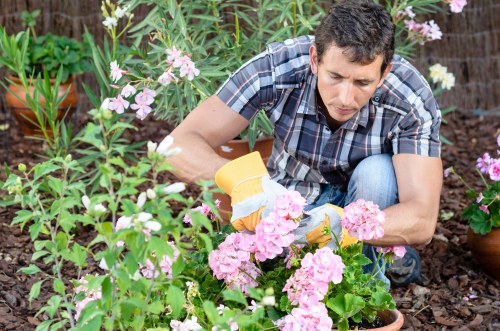 Training, supervision and competenceTraining ensures staff have the practical skills and understanding to perform tasks safely. Induction covers site rules, manual handling, emergency procedures and local hazards. Further competency is achieved through on-the-job coaching, accredited courses for specialist equipment and periodic refresher sessions. Supervisors conduct performance checks and maintain training records. A defined mentoring process supports new team members until they demonstrate the required competence.

Emergency response, monitoring and continuous improvement
Emergency arrangements include first aid provision, communication protocols and incident reporting. Every incident or near-miss is recorded, investigated and used as an opportunity to improve systems and prevent recurrence. Performance is monitored through audits, site checks and feedback from staff (formal mechanisms only, not testimonials). Policies are reviewed annually or after significant incidents, and amendments are communicated promptly. Key elements of the health and safety approach are highlighted in easy-to-read job cards and site briefings so that compliance is practical and accessible.Practical controls and good practice checklist
To support day-to-day safe working, teams follow a concise checklist that includes:- Pre-start equipment inspections and logged maintenance
- Site-specific risk assessment and public safety measures
- Correct PPE for the task and weather conditions
- Safe storage and handling of fuels and chemicals
- Clear access routes and secure work zones
- Supervision and documentation of competence